
Spring Repair
A snapped torsion or extension spring, a door that weighs a ton by hand, or a gap in the coil above the opening.
More on Spring Repair →The R-value on a door brochure describes one foam-filled section, not the door as hung. In a DASMA example, a section figured at R-17.66 tested as a whole door at a U-factor of 0.094, which works out nearer 10.6.
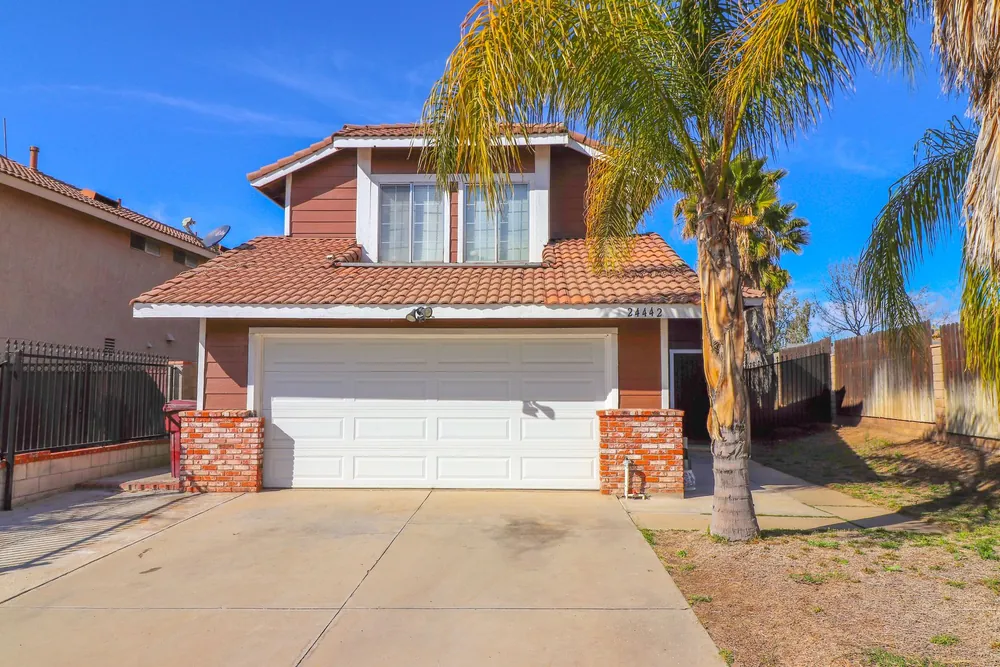
Next to rooms you live in, pick a steel sandwich with foam inside. For a detached garage, a single skin can do. Figures are makers' section numbers.
| Build | Inside the section | Section R-value | Trade-off | Good fit |
|---|---|---|---|---|
| Single layer | One steel skin, nothing behind it | About R-0 to R-2 | Lightest; heat passes straight through | Detached garages |
| Double layer | Steel, polystyrene, vinyl back | R-7.94 (one C.H.I. line) | No steel face on the garage side | Attached garages, moderate climates |
| Polystyrene sandwich | Foam board between two steel skins | R-9.65 (same line) | Lighter, usually cheaper | Attached garages on a budget |
| Polyurethane sandwich | Injected foam that grips both skins | R-16.55 (same line) | Heavier, stiffer, harder to dent | Extreme heat or cold |
Because an attached garage is a buffer between your rooms and the weather, and the door is its weakest wall. The Saugus Power Plant station up San Francisquito Canyon averages 94.3 F on August afternoons and 36.0 F on January nights. DASMA, citing ASHRAE, puts an unconditioned attached garage at roughly halfway between indoor and outdoor temperature, and calls an insulated door a key part of keeping the rest of that insulation useful. Clopay adds that an uninsulated door passes summer heat into the rooms beside the garage and can harm stored paint and electronics. Across Santa Clarita our work covers insulated door choices, bottom, side and top seals, threshold strips, and the spring check that follows.

No. The wall and the small door between house and garage matter as much for the air indoors. California's energy commission files the garage with the attic and crawlspace as unconditioned space and wants the walls beside it sealed. Pacific Northwest National Laboratory guidance says isolating the garage keeps carbon monoxide out, and that a dryer or range hood running in a tight house can pull garage air in. EPA puts it plainly: never idle a car in the garage, even when a stuck door tempts you.
New rubber and new foam change how a door lands and what it weighs. Clopay warns that a thicker bottom seal can keep a door from closing properly, and DASMA lists added weight as a reason springs fail early. So on every Santa Clarita seal or insulation job the balance gets checked too, with a garage door spring repair if the springs no longer carry the door.
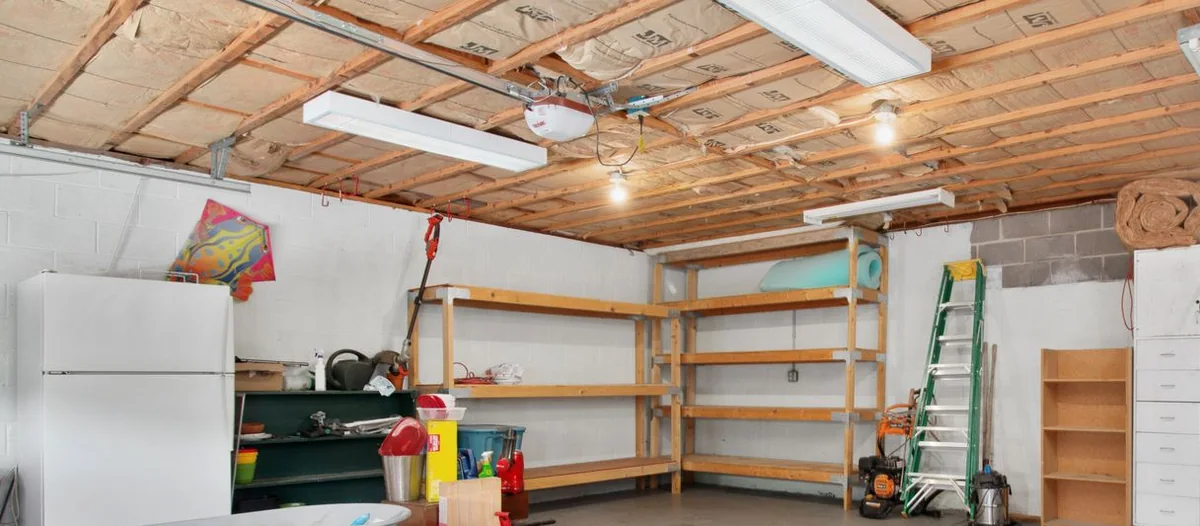
Shut the door on a bright afternoon, turn off the garage light, and look along the floor and edges: daylight or a draft means the seal has failed. Sun is hard on rubber here. Clopay says vinyl outlasts it in sunny conditions and silicone stays flexible in heat.
DASMA's checklist asks whether the closed door meets the floor with no gap. A line of light says no.
Rubber stiffens and cracks with age. Once it splits, air and dust follow the split.
A seal that has gone hard cannot press into an uneven slab, so the low spots stay open.
A seal that stays flattened after the door lifts has lost its spring. Replace it.
Where sections of the strip are gone, open notches line the bottom edge.
Dirt, water or insects inside a closed door point to a path under or beside it.
We look at the closed door from inside: every seal, the section build, the slab's level, and the serial label on the bottom section.
T-style or bulb, rubber, vinyl or silicone, a threshold strip where the slab dips, or an insulated door when the panels are the weak link.
We set a time that suits you anywhere in Santa Clarita. The bottom seal slides into its channel, then side and top stops go on.
The door runs on the opener, must reverse on contact, shows no light at any edge, and gets a balance check if its weight changed.
Six kinds of garage door jobs, each on its own page with the parts involved, the warning signs and what a visit looks like.
A snapped torsion or extension spring, a door that weighs a ton by hand, or a gap in the coil above the opening.
More on Spring Repair →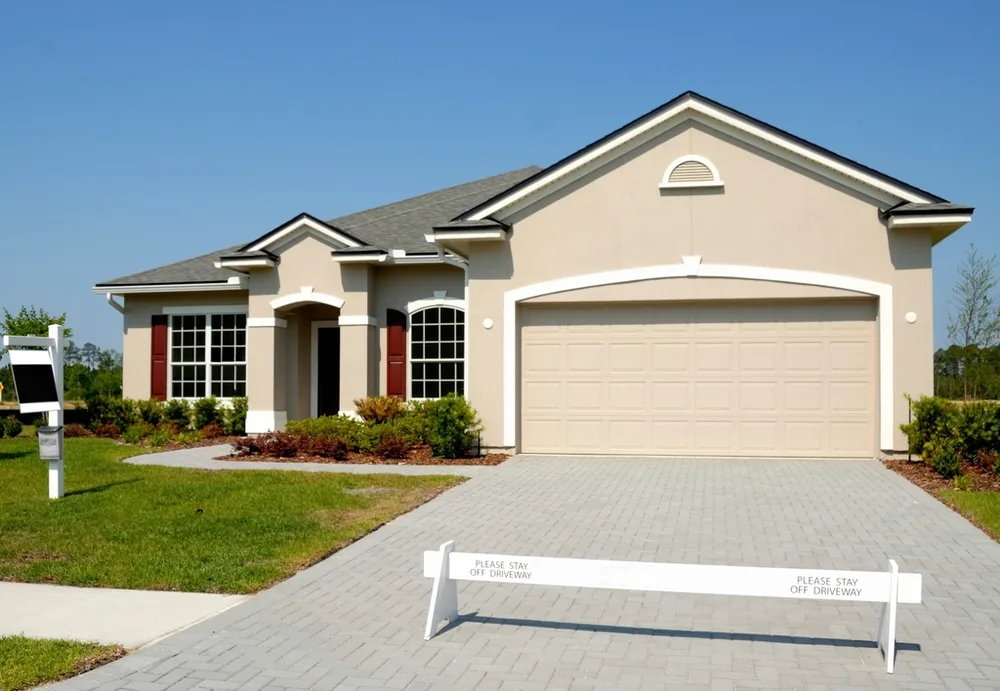
Openers that hum without lifting, reverse for no reason, ignore the remote or stop halfway up the track.
More on Opener Repair →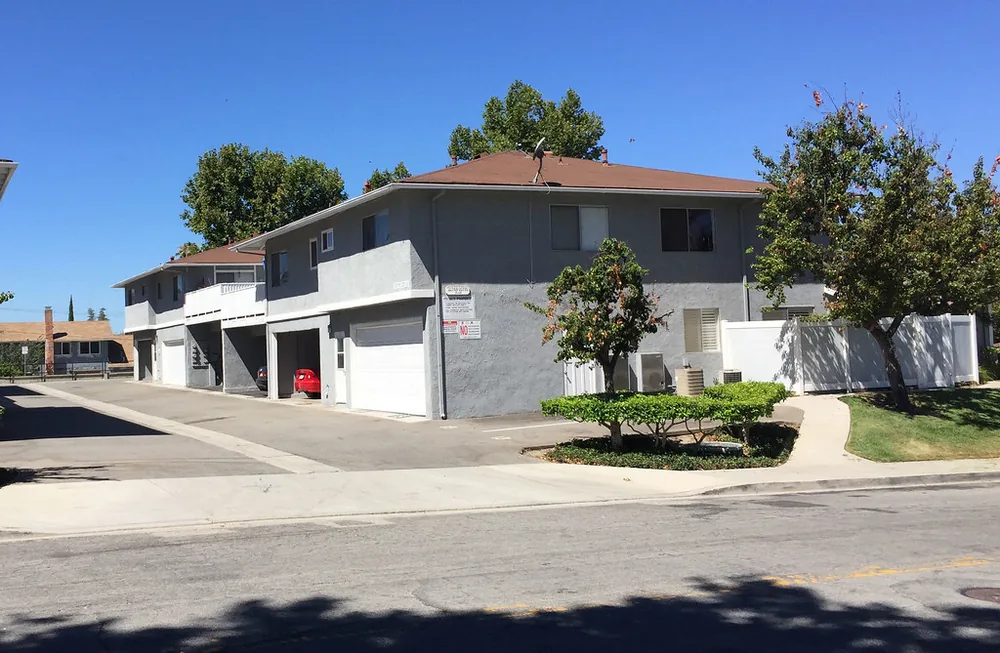
Chain, belt, screw and wall-mount openers fitted to the door you have, with the battery backup California requires.
More on Opener Installation →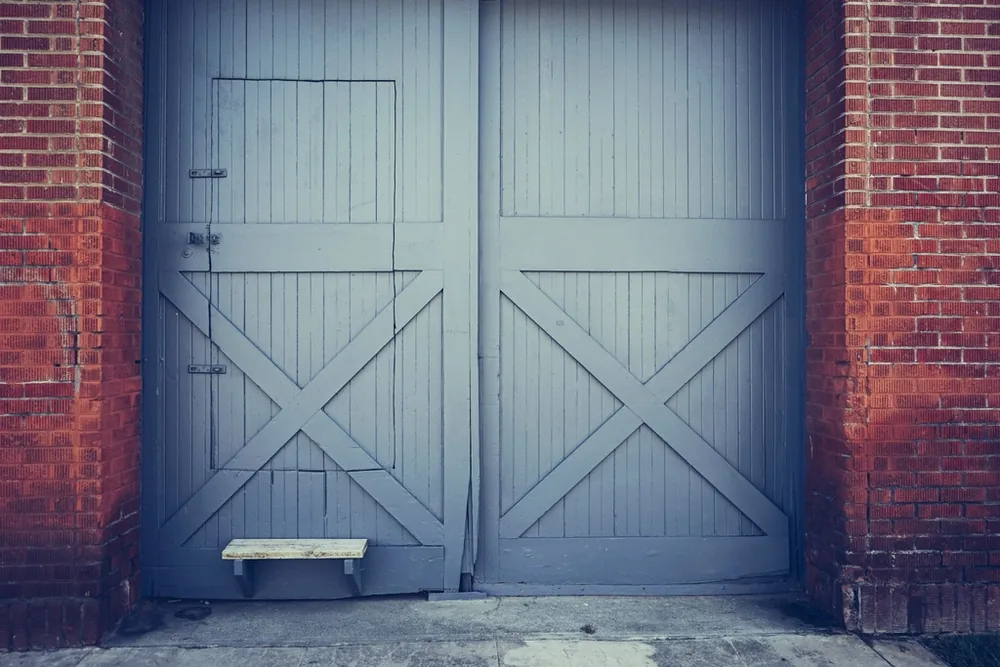
Steel, wood-look, carriage-style and glass sectional doors measured, hung, balanced and sealed in one job.
More on New Door Installation →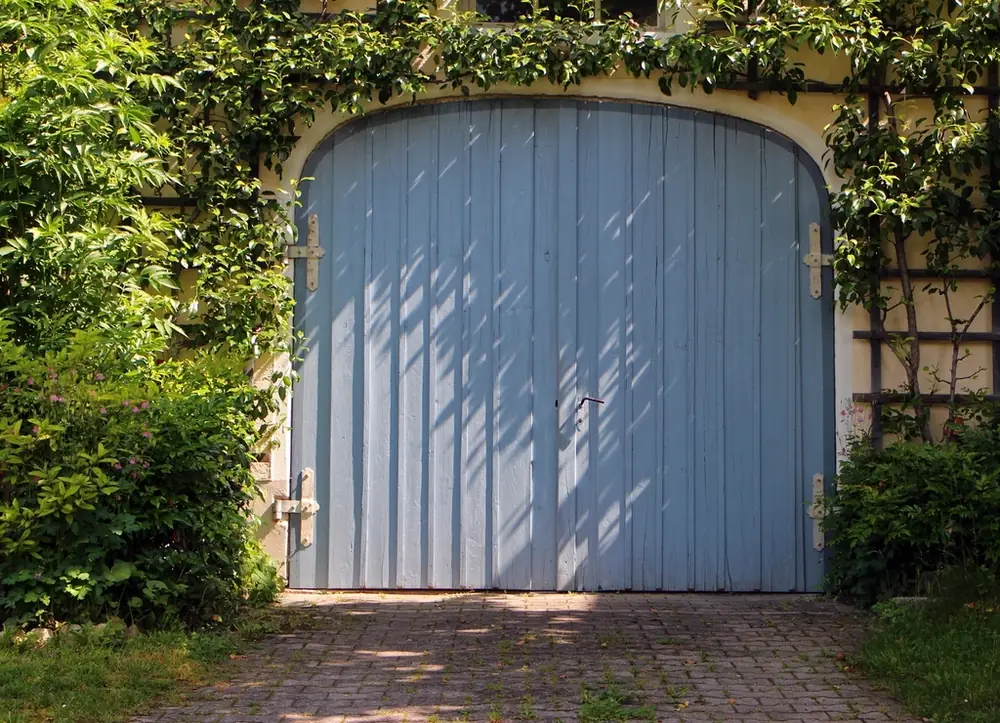
A frayed or slack lift cable, a roller out of the track, a crooked door or a bent section of rail.
More on Track and Cable Repair →
Insulated door options, new bottom rubber, side and top seals for garages that bake in a valley summer.
More on Insulation and Seals →