
Spring Repair
A snapped torsion or extension spring, a door that weighs a ton by hand, or a gap in the coil above the opening.
More on Spring Repair →Each lift cable winds onto a grooved drum as a torsion door rises, and its lower end anchors at a bottom bracket that holds it under full spring load. A slack cable is never a pull-it-tight job.
Because the garage door is usually the biggest opening in a house, and DASMA notes that how the track and jambs fasten to the framing counts as much as the panels when wind pushes in and pulls out. Around Santa Clarita, that matters every fall and winter. Santa Ana season usually runs October through February, peaks in December, and the wind blows hardest below passes and canyon mouths, with gusts near 50 knots. DASMA also warns against bolting extra bracing onto a door yourself, since the added weight can overload springs and track. We replace frayed or snapped lift cables, reset drums, straighten or swap bent track, and fit new rollers and hinges.
Usually a loose cable, a door sitting lower on one side, a roller out of its rail, or a rough, noisy run. Check your own Santa Clarita garage for the six signs below. If the door hangs crooked, stop running it.
A cable dangling beside the door has come off its drum or lost tension. It is still tied to the spring system, so leave it alone.
Visible damage on a cable or its bottom bracket is a stop sign. DASMA tells owners to leave both to a technician.
A door sitting lower on one side is not something to force. Park the opener and have cables, drums and tracks checked together.
DASMA's inspection checklist treats a roller leaving its track as a fail for a technician, not a job for a mallet.
Steel wheels on steel track are loud by nature. Dry open bearings add to it, since they need periodic oil.
Hinges let the sections pivot into the overhead track. Cracks, fatigue or separating material in a section all fail an inspection.
Match the symptom to the part: cables and bottom brackets carry spring load, while rollers, hinges and track guide the door along its path.
| Part | Its job | Under spring load | Warning sign | Who handles it |
|---|---|---|---|---|
| Lift cable and drum | Winds onto a grooved drum locked to the shaft by set screws | Yes | Frayed strands, slack line, door sitting uneven | A trained technician |
| Bottom bracket | Anchors the cable on the bottom section | Yes | Rust or a bent fitting at the floor corner | A trained technician |
| Roller | Rides in the track and carries each section | No | Grinding, wobble, a wheel out of the rail | Technician once it leaves the track |
| Hinge | Joins sections so they pivot | No | Cracks, loose fasteners, a section that dips | Technician or careful owner |
| Track | Vertical rail beside the jamb, horizontal rail overhead | No | Dents, bends, brackets pulling loose | A trained technician |
A door that has come off its track or lost a cable is still loaded by its springs, so the repair starts with making it safe, not with forcing it back. DASMA tells homeowners to leave brackets, cables and their mounting surfaces alone for that reason. Once tension is off, we look past the obvious failure. A roller that jumped its rail may have had help from a bent track, a loose bracket or a worn hinge. Fixing only the part you can see tends to bring the same call back to a Santa Clarita garage.
Source: DASMA 102-2004, the industry standard for sectional garage doors
We take track and cable calls across Santa Clarita. Say whether a cable is loose, the door is crooked or a roller is out, and send a photo.
With the door secured, we check both cables, drums, bottom brackets, rollers, hinges and track fasteners, then give you a written price.
Spring tension comes off before a cable or bottom bracket is touched. Bent track is straightened or replaced, and rollers go back in their rails.
The door runs several full cycles. It has to sit level, hold still part-way open and pass the opener's reversal test before we pack up.
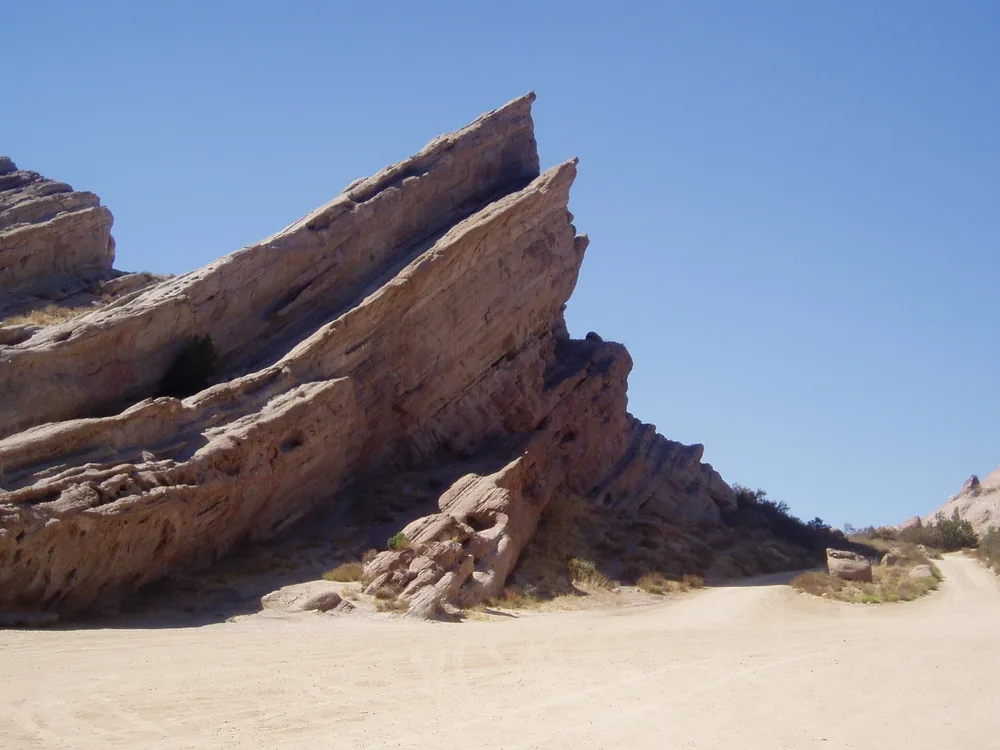
Six kinds of garage door jobs, each on its own page with the parts involved, the warning signs and what a visit looks like.
A snapped torsion or extension spring, a door that weighs a ton by hand, or a gap in the coil above the opening.
More on Spring Repair →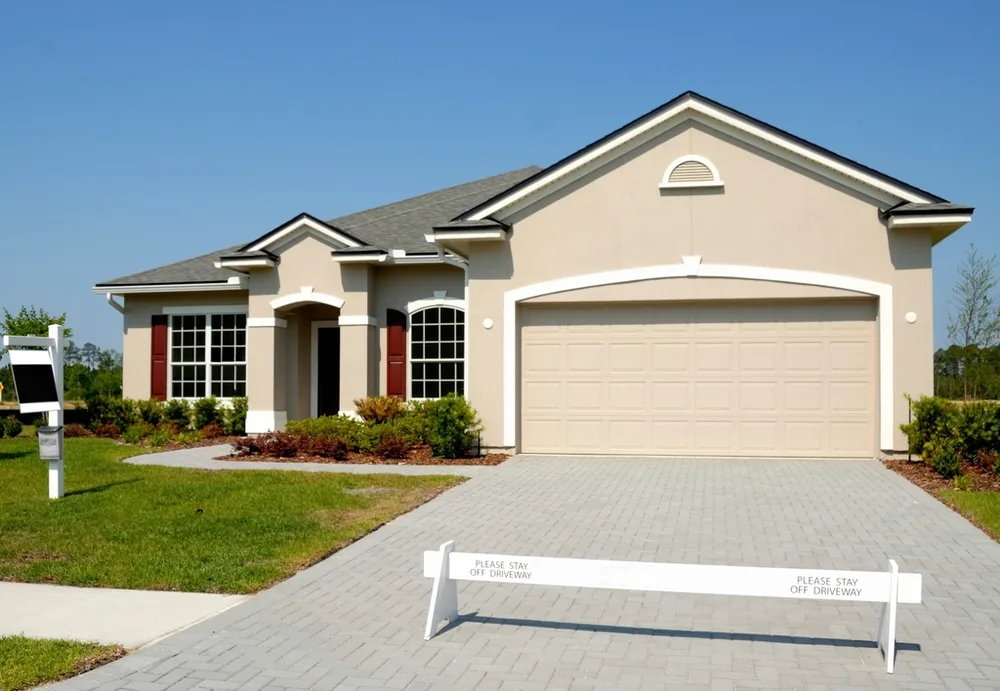
Openers that hum without lifting, reverse for no reason, ignore the remote or stop halfway up the track.
More on Opener Repair →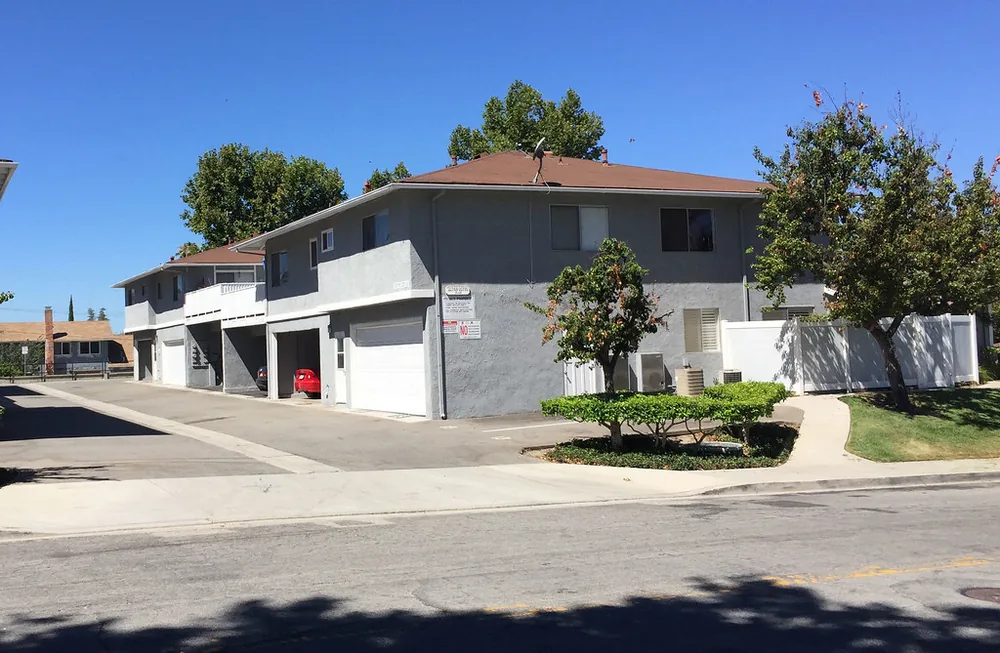
Chain, belt, screw and wall-mount openers fitted to the door you have, with the battery backup California requires.
More on Opener Installation →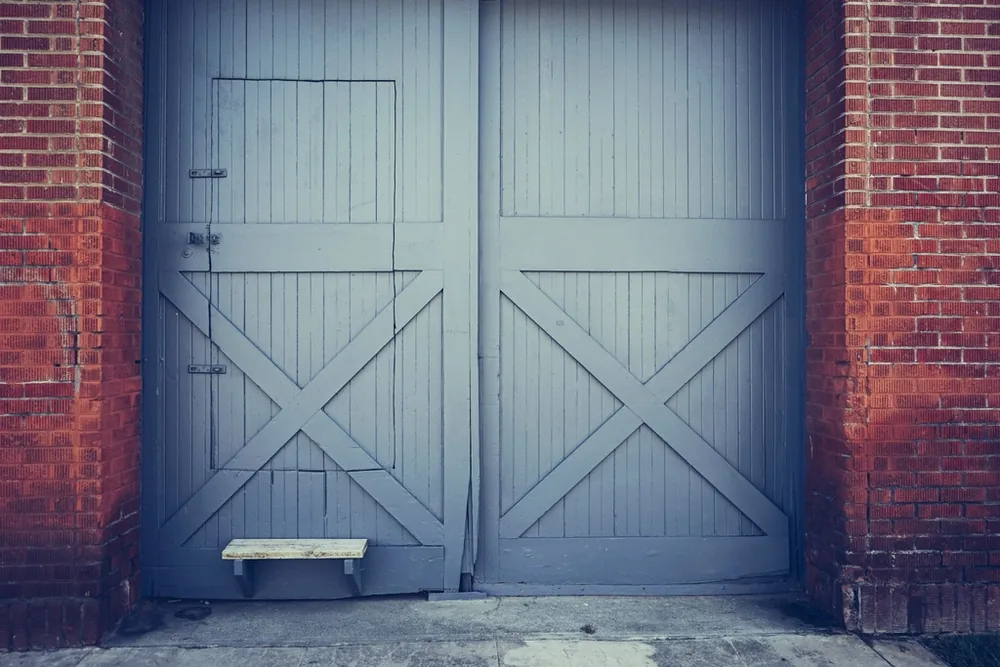
Steel, wood-look, carriage-style and glass sectional doors measured, hung, balanced and sealed in one job.
More on New Door Installation →
A frayed or slack lift cable, a roller out of the track, a crooked door or a bent section of rail.
More on Track and Cable Repair →
Insulated door options, new bottom rubber, side and top seals for garages that bake in a valley summer.
More on Insulation and Seals →